Water Extraction
Water spreads quickly beneath flooring and into the materials around it. Extraction removes accessible standing water so a measured drying plan can begin.
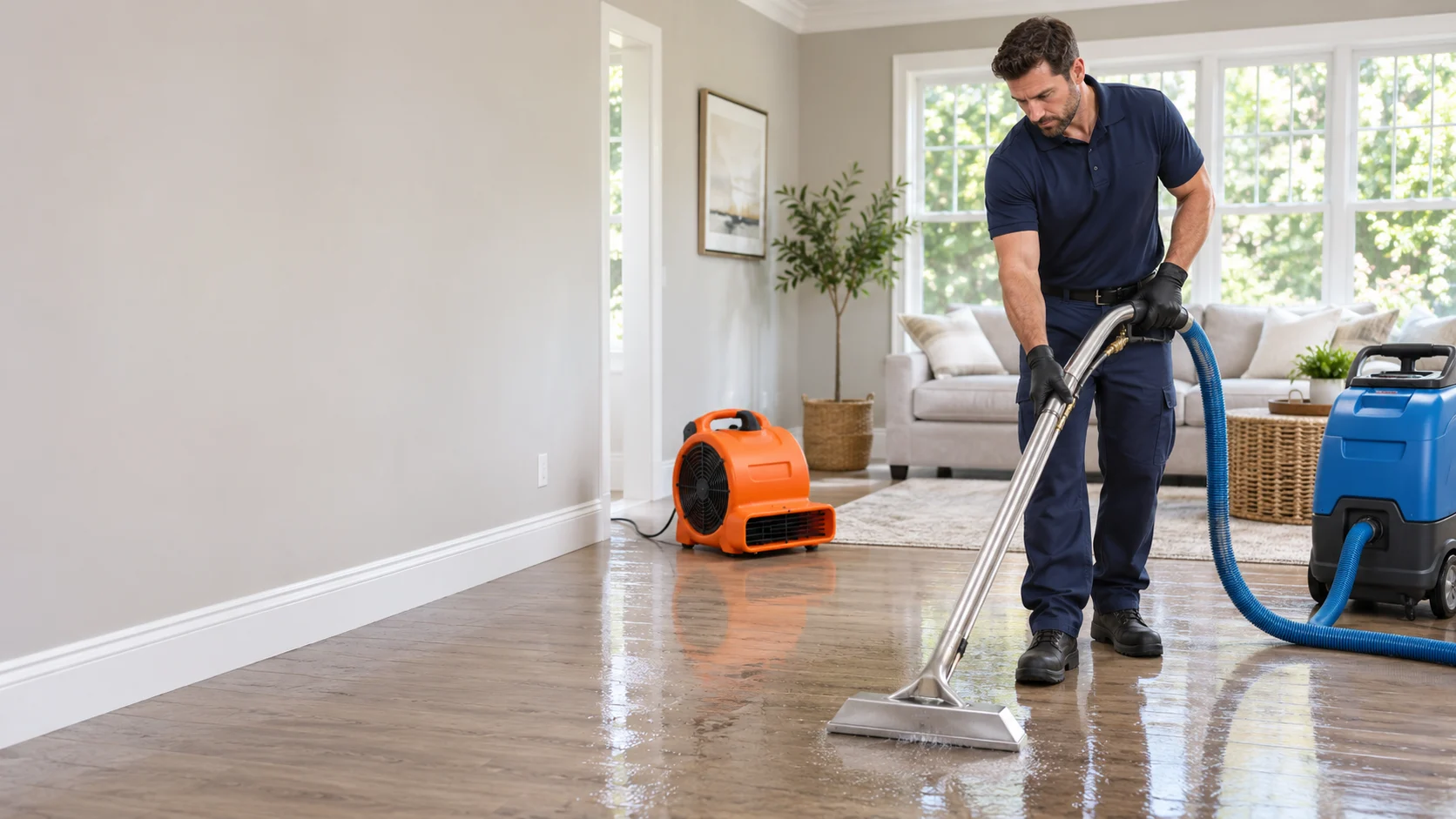
Remove Standing Water. Begin Recovery.
Water spreads quickly beneath flooring and into the materials around it. Extraction removes accessible standing water so a measured drying plan can begin.
Dryspan starts with the source of the loss, the affected spaces, and the conditions that make entry safe. The equipment and method depend on water depth, materials, access, and the possibility of contamination. Removing visible water is the first stage, not a substitute for checking what remains inside walls and floors.
- Source Review
- Water Removal
- Moisture Checks
- Surface Assessment
- Drying Plan
- Clear Updates
A Clear Scope For Water Extraction.
Source Review
Discuss the leak or overflow and confirm whether it has been stopped before removal begins.
Targeted Removal
Choose extraction methods for accessible water on floors, carpets, and other affected surfaces.
Drying Handoff
Record moisture conditions and identify materials that need drying, removal, or specialist review.
Look Beyond The Visible Water
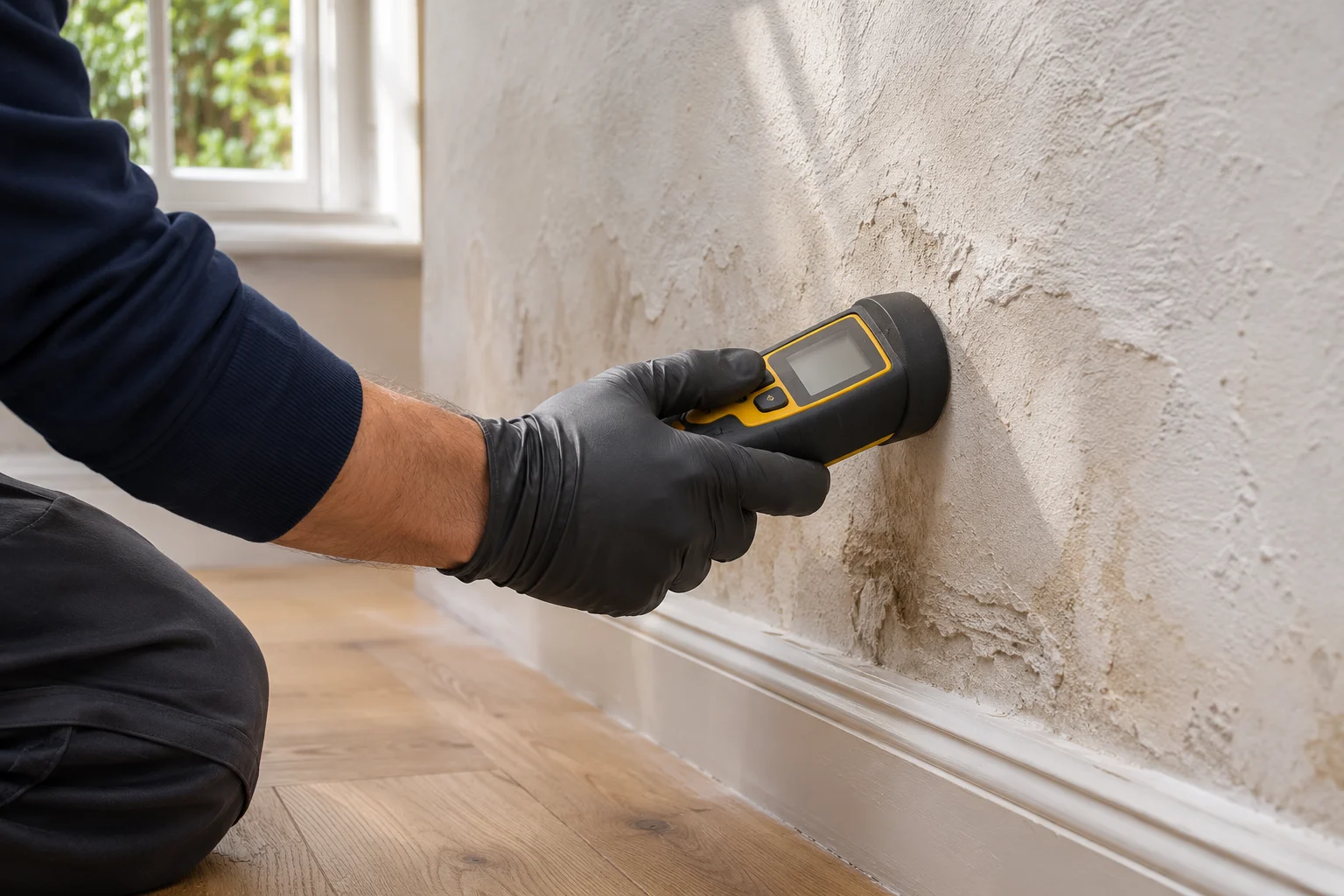
A dry-looking surface may conceal moisture beneath a floor finish or behind trim. We explain where readings can be taken, where access is limited, and what additional investigation may be needed. The aim is a clear next step rather than a rushed promise that the job is finished.
Every property has different conditions. The agreed work should reflect those conditions, explain any limitations, and give you useful information for the decisions ahead.
A Few Helpful First Steps.
A little preparation helps the conversation. Safety always comes first, and you do not need to enter an unsafe area to gather information.
- Stay out of rooms with electrical or structural hazards.
- Share when the leak began and whether the source is stopped.
- Keep photographs and receipts without delaying safe mitigation.
Keep A Simple Record
Note what you observed, when it happened, and any steps already taken. Keep available photos and receipts. These details help explain the loss and organize the next stage.
Read The GuideFrom First Conversation To Next Chapter.

Tell Us What Happened
Share the source, timing, and affected spaces. If the property is unsafe, keep away and contact the appropriate emergency or utility service first.
- Discuss the conditions and the practical next steps.
- Confirm scope and responsibilities before work moves forward.
- Keep questions and changing needs part of the conversation.
Does Extraction Finish The Job?+
Usually not. Water removal is followed by moisture assessment and, where needed, controlled structural drying or material removal.
Can I Use A Household Vacuum?+
Do not use an ordinary household vacuum on water. Electrical and contamination risks require an appropriate response. Keep away from unsafe areas.
Will My Flooring Be Saved?+
That depends on the material, water category, exposure, and condition. We discuss practical options after assessment rather than guarantee an outcome.
Water Extraction Questions.
You should know what a service involves before deciding how to move forward. If your situation is different, let’s talk it through.