
Mold Remediation
Visible mold or persistent musty conditions call for attention to both the affected materials and the source of moisture.
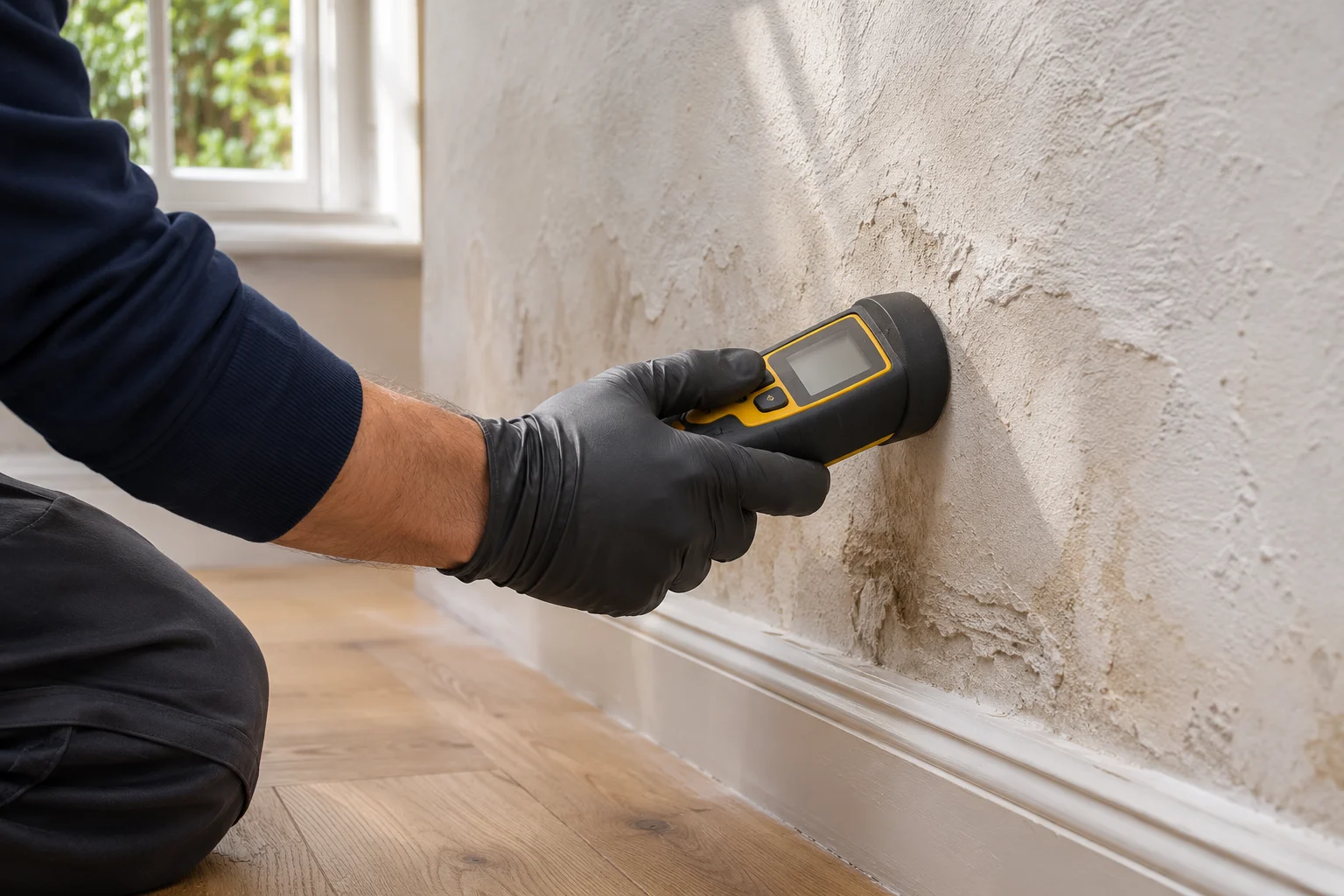
Address The Moisture. Plan The Removal.
Visible mold or persistent musty conditions call for attention to both the affected materials and the source of moisture.
Dryspan discusses the observed conditions, access, and scope before remediation begins. A plan may include containment, controlled removal of affected materials, cleaning, and drying. Independent assessment or testing may be appropriate in some situations. We do not make medical claims or guarantee that a building is free of every mold spore.
- Moisture Review
- Scope Planning
- Area Protection
- Material Removal
- Surface Cleaning
- Follow-Up Guidance
A Clear Scope For Mold Remediation.
Moisture Review
Look at the source of dampness and identify repairs or drying needed to reduce recurrence.
Work-Area Planning
Set practical boundaries and material-handling steps appropriate to the affected area.
Removal And Cleaning
Address affected materials and surfaces within the agreed scope, with next steps clearly documented.
A Lasting Plan Includes Moisture Control
Painting over visible growth or using a fragrance does not resolve the underlying condition. Leaks, condensation, poor drying, and ventilation issues need attention as part of recovery. We explain which work belongs in the remediation scope and which building repairs or specialist reviews should be arranged separately.
Every property has different conditions. The agreed work should reflect those conditions, explain any limitations, and give you useful information for the decisions ahead.
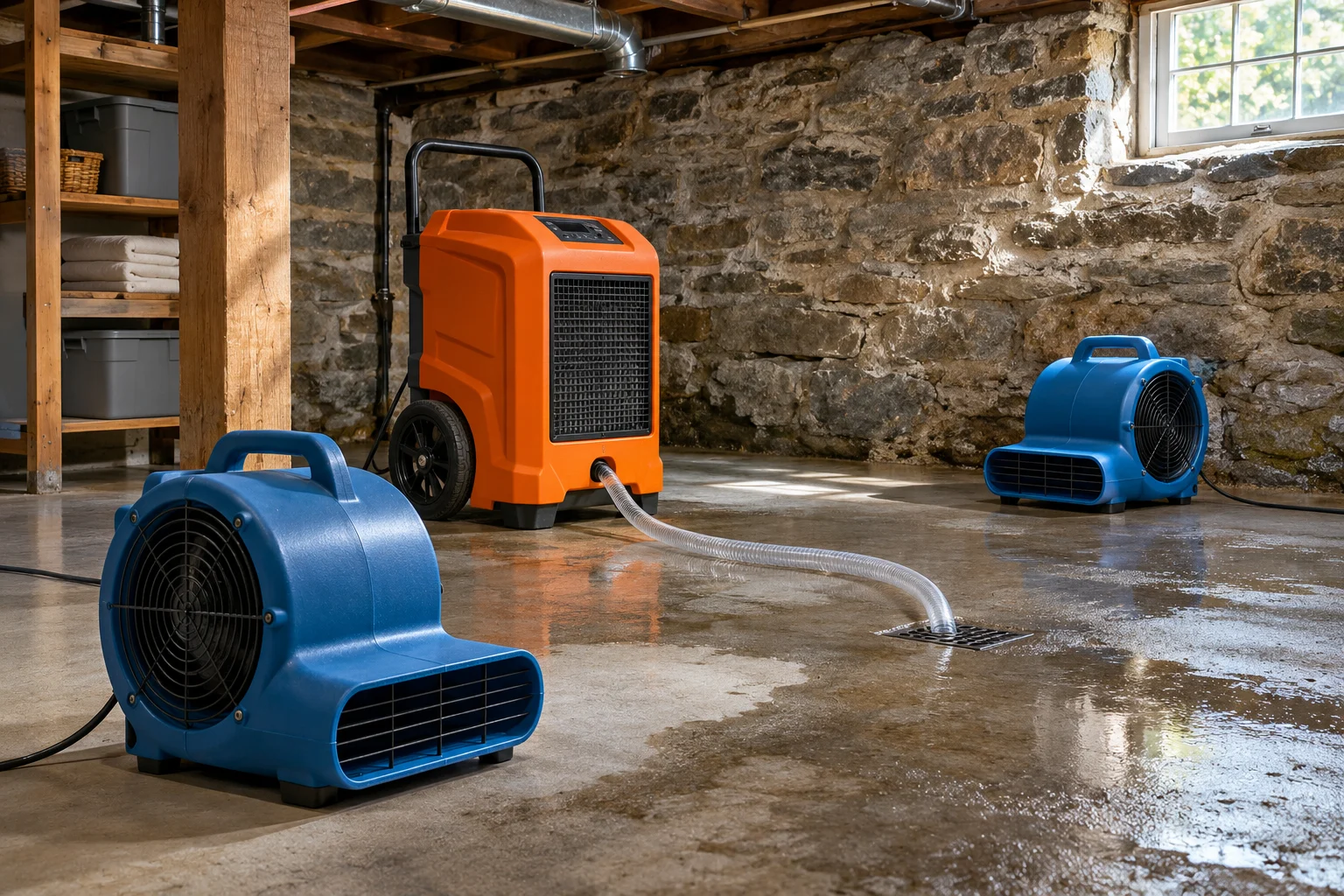
A Few Helpful First Steps.
A little preparation helps the conversation. Safety always comes first, and you do not need to enter an unsafe area to gather information.
- Avoid disturbing affected materials before the work area is reviewed.
- Describe leaks, dampness, or prior cleanup attempts.
- Discuss health-related concerns with a qualified healthcare professional.
Keep A Simple Record
Note what you observed, when it happened, and any steps already taken. Keep available photos and receipts. These details help explain the loss and organize the next stage.
Read The GuideFrom First Conversation To Next Chapter.

Tell Us What Happened
Share the source, timing, and affected spaces. If the property is unsafe, keep away and contact the appropriate emergency or utility service first.
- Discuss the conditions and the practical next steps.
- Confirm scope and responsibilities before work moves forward.
- Keep questions and changing needs part of the conversation.
Is Testing Always Required?+
Not in every situation. Testing or an independent assessment may be useful depending on the circumstances, project requirements, or uncertainty about the condition.
Can Mold Return?+
It can if moisture problems continue. Source correction and suitable drying are important alongside removal and cleaning.
Can You Guarantee A Mold-Free Building?+
No. Mold spores occur naturally. The work addresses the agreed affected areas and moisture conditions, not an absolute absence of spores.
Mold Remediation Questions.
You should know what a service involves before deciding how to move forward. If your situation is different, let’s talk it through.