
When water appears where it should not, it is easy to feel pulled in several directions. A few useful records can help you explain the situation to a restoration provider, property manager, or insurer.
Put Safety Before Photographs
Do not enter an area with possible electrical, structural, or contamination hazards to collect information. If the situation is unsafe, keep people away and contact the appropriate emergency or utility service. Documentation should never delay an urgent safety measure.
Record What You First Noticed
Write down when you discovered the water, where it appeared, and whether the source was still active. Be clear about what you observed and what you do not know. If the leak started before you found it, avoid guessing an exact time.
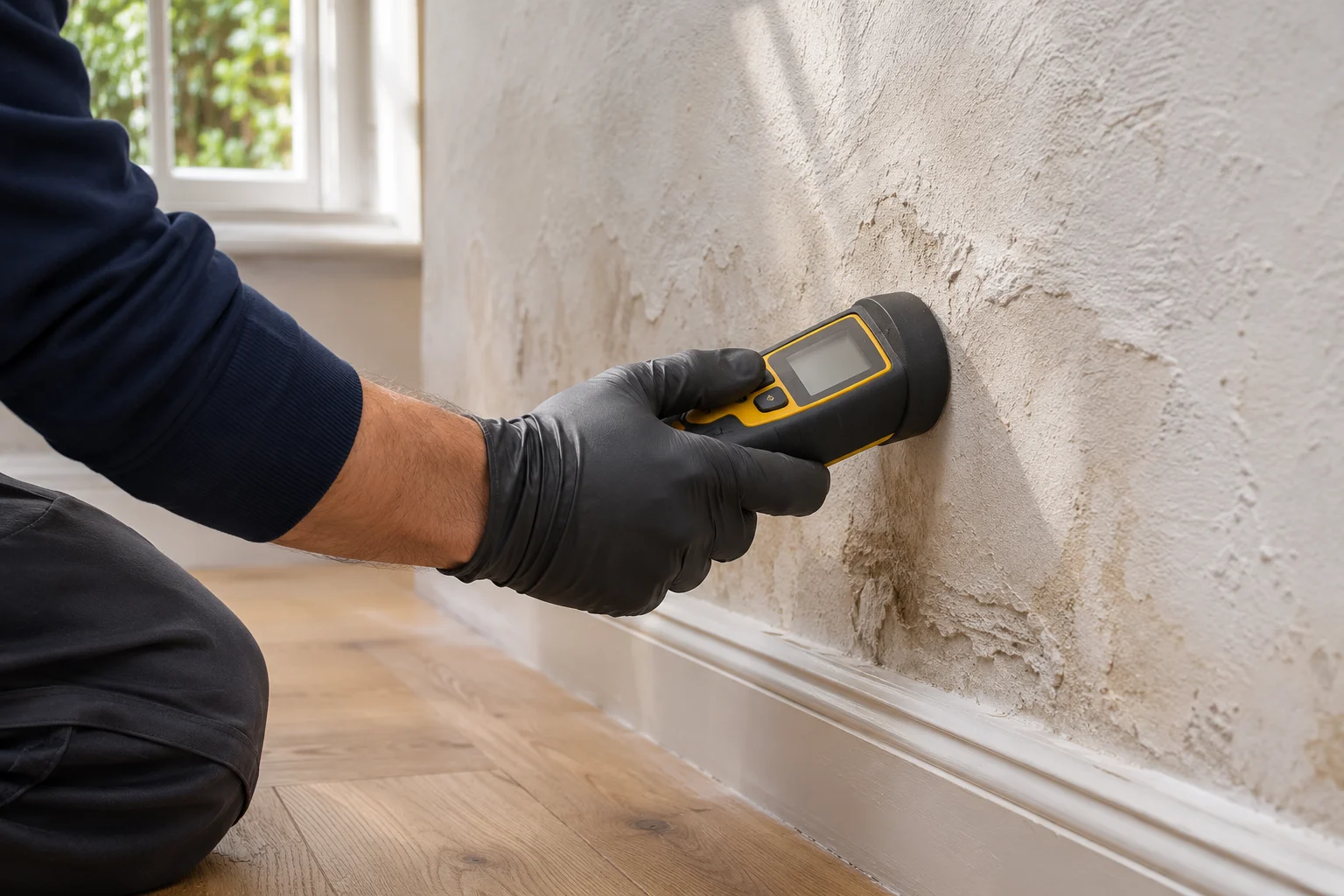
Take Useful Photos From Safe Areas
A wider view helps show which room and surfaces are affected. Closer images can show staining, damaged finishes, or a visible source. Keep original files when possible and note the date. Photograph accessible damage without moving heavy objects or disturbing suspect materials.
Keep A Simple Timeline
Note calls, visits, source repairs, and mitigation steps as they happen. Include who you spoke with and what was agreed. Save invoices, receipts, estimates, and any written scope. A folder on your phone or computer can keep everything together.
Ask Before Discarding Belongings
Some items may be unsuitable to keep, particularly after contaminated water exposure. Ask the relevant restoration professional and your insurer about documentation and handling. Do not keep unsafe material in use merely to preserve evidence, and do not assume every item can be restored.
Use Your Notes To Ask Better Questions
Good records support a useful discussion: what is affected, what needs attention now, what is included in the work, and what remains uncertain. Your insurer makes coverage decisions under your policy. A restoration provider can explain the proposed work, but cannot promise a claim outcome.
A Helpful Starting Point
Record the discovery time, safe observations, photographs, and steps already taken. Keep safety first and let the information support, rather than delay, appropriate help.