
Water Damage Assessment
Clear information makes recovery easier. A water damage assessment helps identify affected materials, possible moisture paths, and the work that needs attention.
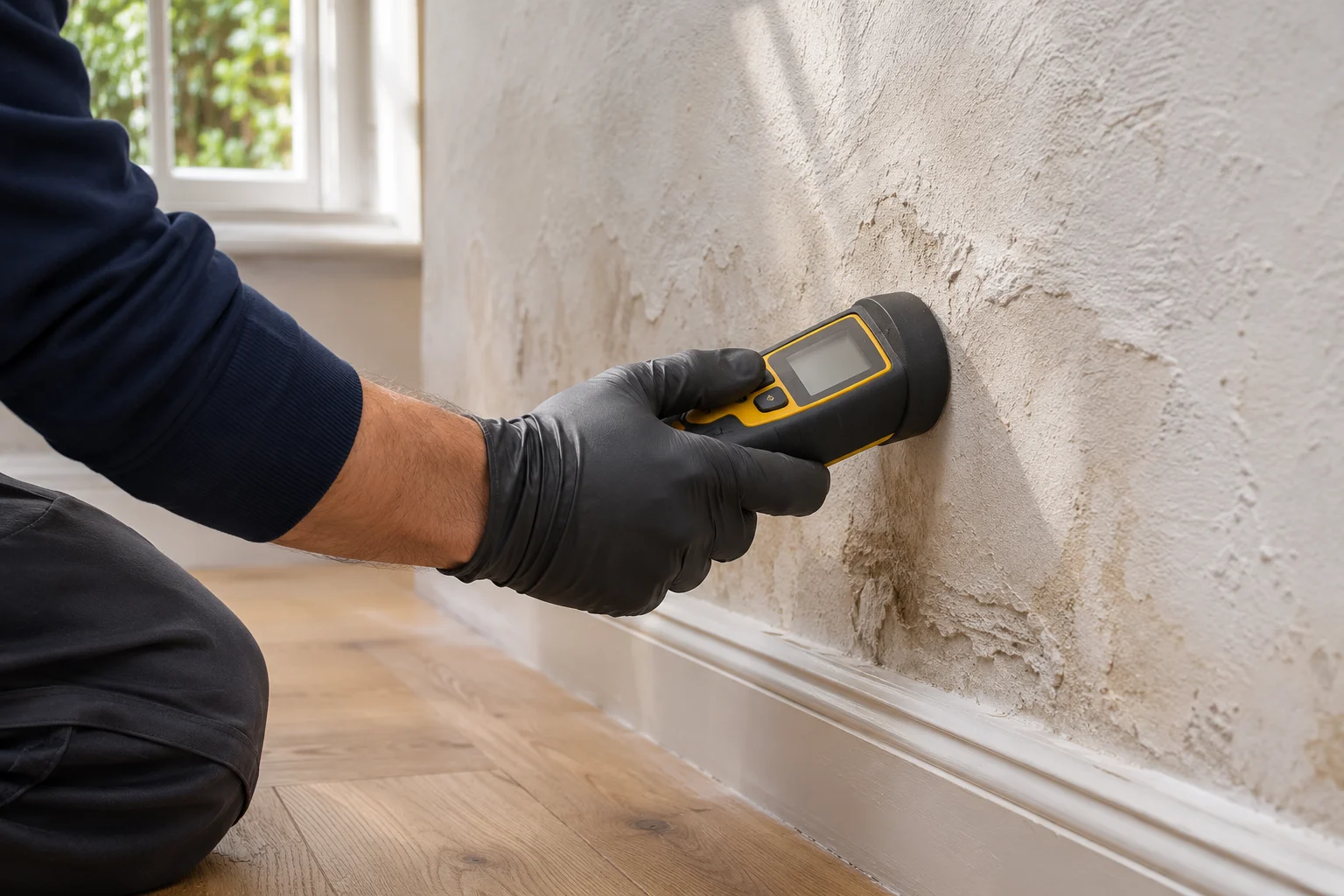
Understand The Damage Before The Next Step.
Clear information makes recovery easier. A water damage assessment helps identify affected materials, possible moisture paths, and the work that needs attention.
Dryspan combines a conversation about the loss with visual observations and moisture readings where access permits. We explain what is known, what remains uncertain, and whether another professional needs to review the source, structure, electrical system, or other specialist issue. Assessment is designed to inform the work, not to promise insurance coverage.
- Loss History
- Visual Review
- Moisture Mapping
- Access Planning
- Scope Notes
- Repair Guidance
A Clear Scope For Water Damage Assessment.
Loss History
Review when and where water appeared, what was done already, and whether the source remains active.
Material Review
Observe visible changes and use appropriate readings to help map the affected area.
Written Next Steps
Explain recommended mitigation, access requirements, and items outside the restoration scope.
Useful Information, Plainly Explained
A moisture meter is a tool, not the whole diagnosis. Material type, inaccessible cavities, and the history of the loss matter too. Findings should distinguish observations from assumptions. Where uncertainty remains, we explain the reason and the options for resolving it before major repair decisions are made.
Every property has different conditions. The agreed work should reflect those conditions, explain any limitations, and give you useful information for the decisions ahead.
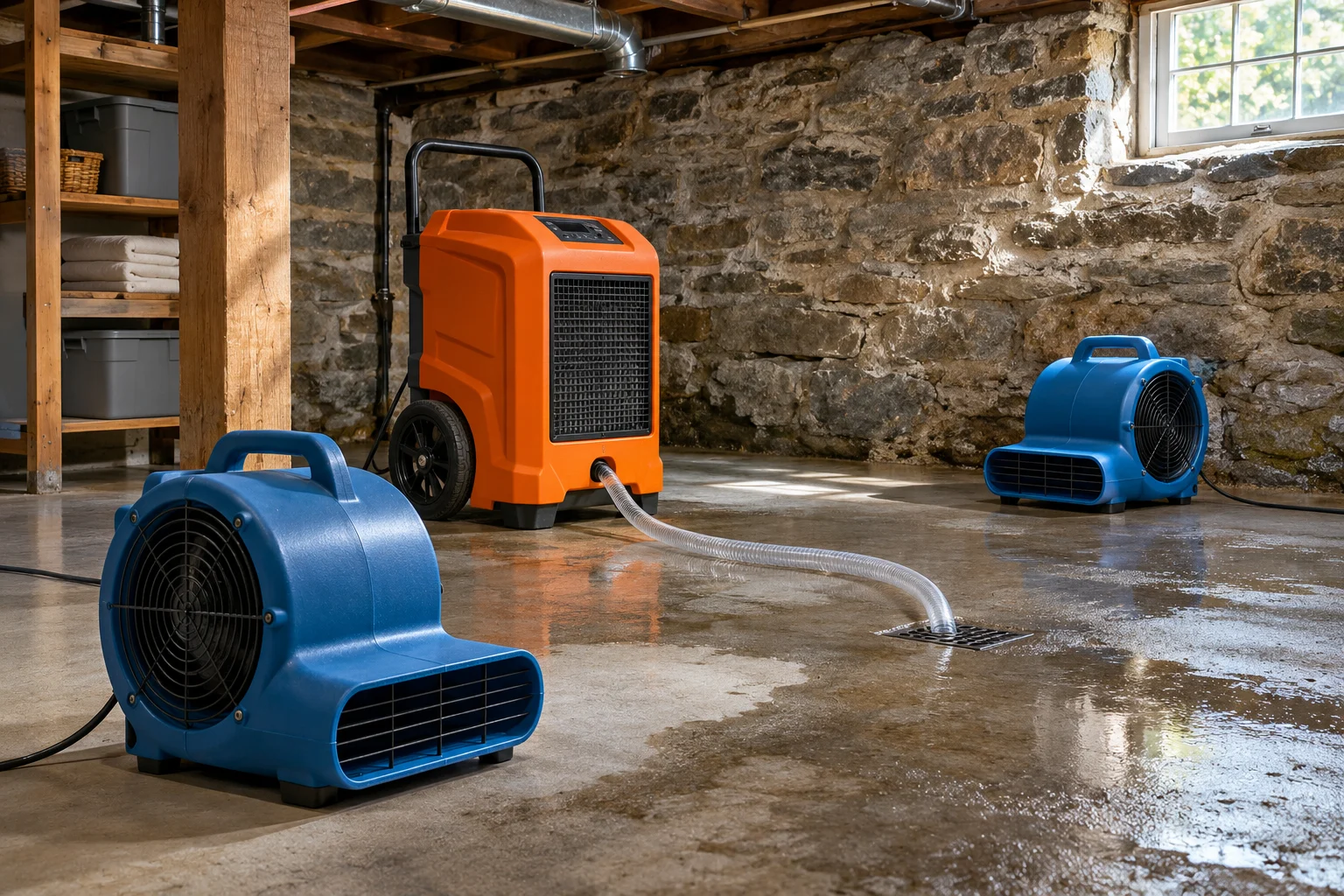
A Few Helpful First Steps.
A little preparation helps the conversation. Safety always comes first, and you do not need to enter an unsafe area to gather information.
- Record the date you first noticed the leak or staining.
- Gather available photos, repair history, and relevant access details.
- Tell us about hidden rooms, floor layers, or recent renovations.
Keep A Simple Record
Note what you observed, when it happened, and any steps already taken. Keep available photos and receipts. These details help explain the loss and organize the next stage.
Read The GuideFrom First Conversation To Next Chapter.

Tell Us What Happened
Share the source, timing, and affected spaces. If the property is unsafe, keep away and contact the appropriate emergency or utility service first.
- Discuss the conditions and the practical next steps.
- Confirm scope and responsibilities before work moves forward.
- Keep questions and changing needs part of the conversation.
Can You See Inside Every Wall?+
No. A non-invasive assessment has limits. If hidden conditions need investigation, access and next steps should be discussed before proceeding.
Does An Assessment Confirm Insurance Coverage?+
No. Coverage and claim decisions are made by your insurer under your policy. Assessment notes may help you explain the condition.
What If The Leak Is Still Active?+
Stopping the source safely is a priority. A plumber, roofer, utility provider, or other appropriate professional may be needed before restoration progresses.
Water Damage Assessment Questions.
You should know what a service involves before deciding how to move forward. If your situation is different, let’s talk it through.