
Sewage Cleanup
A sewage backup requires a controlled response. Keep people and pets away from affected areas and avoid spreading contamination through the property.
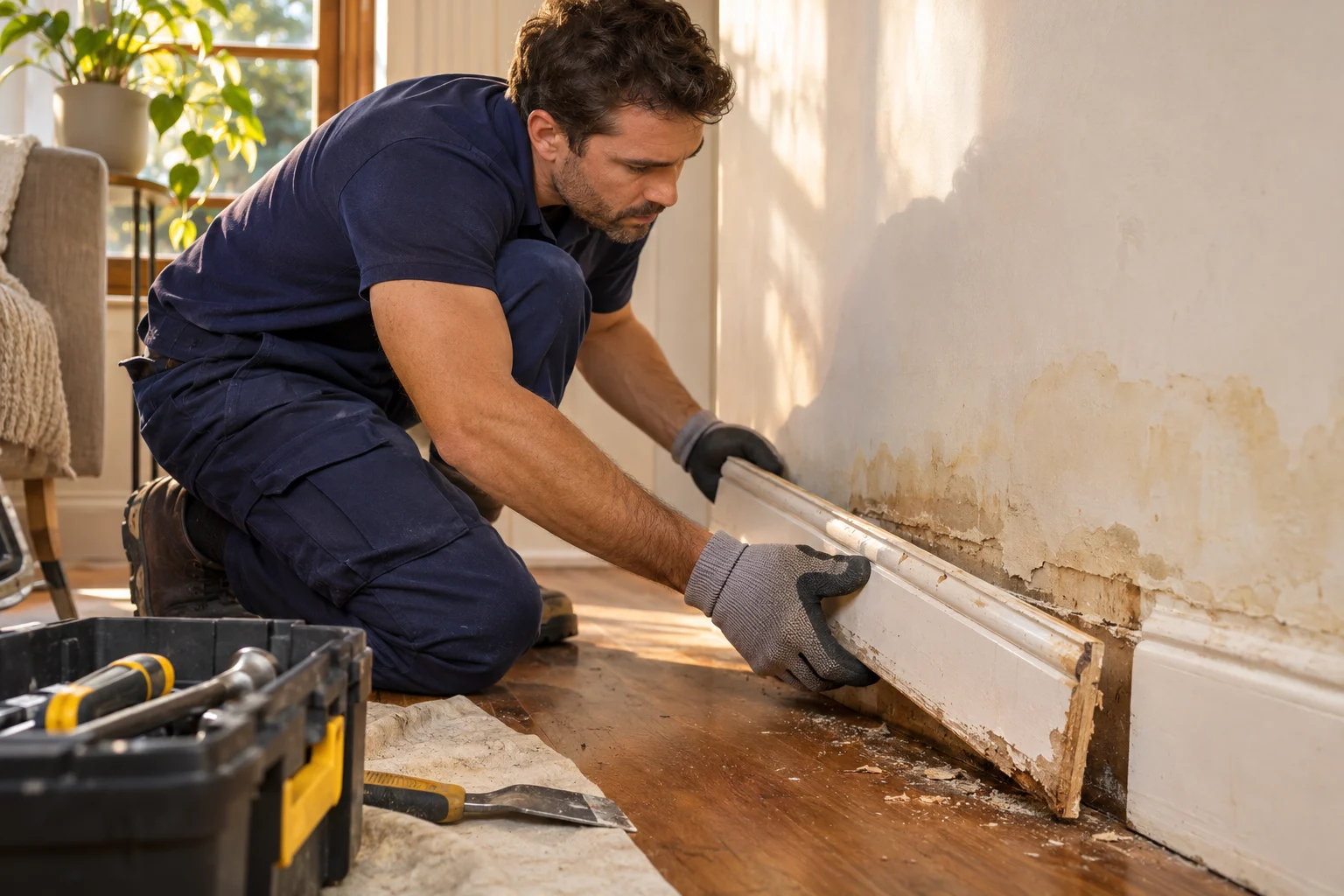
Careful Handling For Contaminated Water.
A sewage backup requires a controlled response. Keep people and pets away from affected areas and avoid spreading contamination through the property.
Dryspan plans cleanup around the source, affected materials, and the boundaries of the contaminated area. Work may involve containment, removal of affected porous materials, cleaning of suitable surfaces, and drying after the source is corrected. A plumbing or sewer professional may be needed to address the backup itself.
- Area Isolation
- Source Coordination
- Material Review
- Controlled Removal
- Surface Cleaning
- Drying Plan
A Clear Scope For Sewage Cleanup.
Area Control
Define the affected space and access needs before cleanup or material movement begins.
Material Decisions
Review what can be cleaned and what may require removal based on contamination and condition.
Cleaning And Drying
Plan appropriate cleaning methods and moisture control for remaining suitable materials.
Do Not Treat A Backup Like A Simple Spill
Contaminated water can affect flooring layers, wall cavities, contents, and shared walkways. Household fans can spread particles, and ordinary surface cleaning may not address hidden materials. Keep the area undisturbed until the conditions and scope have been assessed. People with health concerns should seek advice from a qualified healthcare professional.
Every property has different conditions. The agreed work should reflect those conditions, explain any limitations, and give you useful information for the decisions ahead.
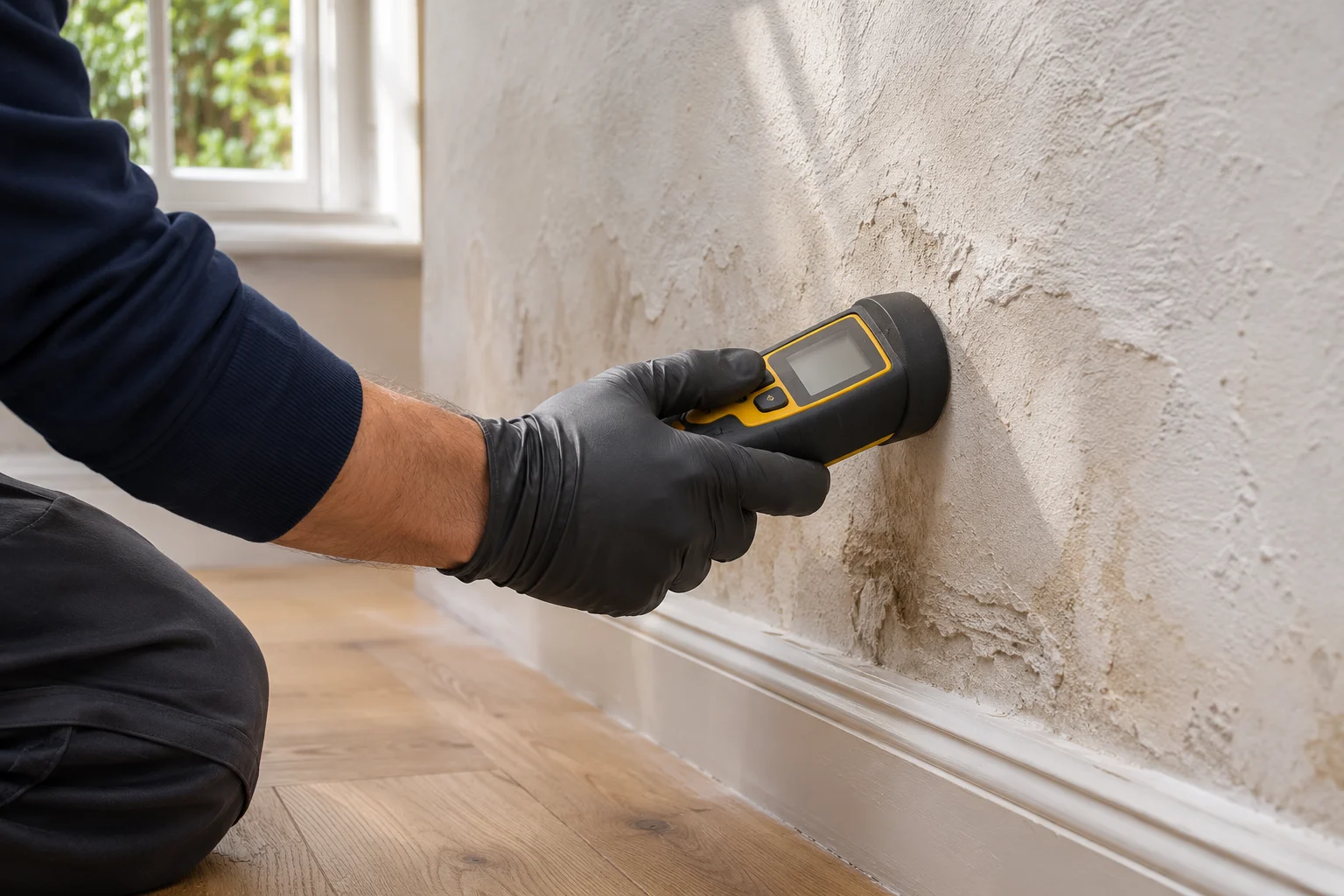
A Few Helpful First Steps.
A little preparation helps the conversation. Safety always comes first, and you do not need to enter an unsafe area to gather information.
- Keep children, pets, and visitors out of the affected area.
- Avoid running household fans across contaminated surfaces.
- Arrange safe source correction with an appropriate plumbing professional.
Keep A Simple Record
Note what you observed, when it happened, and any steps already taken. Keep available photos and receipts. These details help explain the loss and organize the next stage.
Read The GuideFrom First Conversation To Next Chapter.

Tell Us What Happened
Share the source, timing, and affected spaces. If the property is unsafe, keep away and contact the appropriate emergency or utility service first.
- Discuss the conditions and the practical next steps.
- Confirm scope and responsibilities before work moves forward.
- Keep questions and changing needs part of the conversation.
Can I Clean A Sewage Backup Myself?+
Sewage can present health and contamination risks. Avoid contact and seek an appropriate professional assessment, especially when porous materials or larger areas are affected.
Will Carpet Need To Be Removed?+
Porous materials exposed to sewage may not be suitable to retain. Decisions depend on contamination and material condition, not appearance alone.
Does Cleanup Stop Future Backups?+
Not by itself. The sewer or plumbing cause needs separate correction and may require further investigation.
Sewage Cleanup Questions.
You should know what a service involves before deciding how to move forward. If your situation is different, let’s talk it through.