
Basement Water Removal
Water in a basement can affect storage, finishes, utilities, and hidden floor assemblies. Safe access comes before removal.

A Clear Plan For Below-Grade Water.
Water in a basement can affect storage, finishes, utilities, and hidden floor assemblies. Safe access comes before removal.
Dryspan assesses the affected space, possible water source, and access limitations before planning extraction and drying. Below-grade losses can involve groundwater, drainage, plumbing, or sewer problems, and each calls for a different response. Restoration does not replace correcting the underlying source with an appropriate specialist.
- Access Review
- Water Removal
- Material Sorting
- Moisture Control
- Drying Checks
- Repair Planning
A Clear Scope For Basement Water Removal.
Safe Access
Identify conditions that may require utility, structural, or contamination clearance before entry.
Water Removal
Plan removal based on water depth, material condition, and the circumstances of the loss.
Space Recovery
Address moisture in accessible finishes and explain drying, disposal, and repair options.
Treat The Cause And The Consequences
A basement that has been dried can become wet again if drainage, a failed sump system, or a plumbing defect is not addressed. We separate the restoration scope from source correction, so responsibilities and next steps remain clear. Extensive flooding or pressure against foundation walls may require specialist guidance before pumping.
Every property has different conditions. The agreed work should reflect those conditions, explain any limitations, and give you useful information for the decisions ahead.
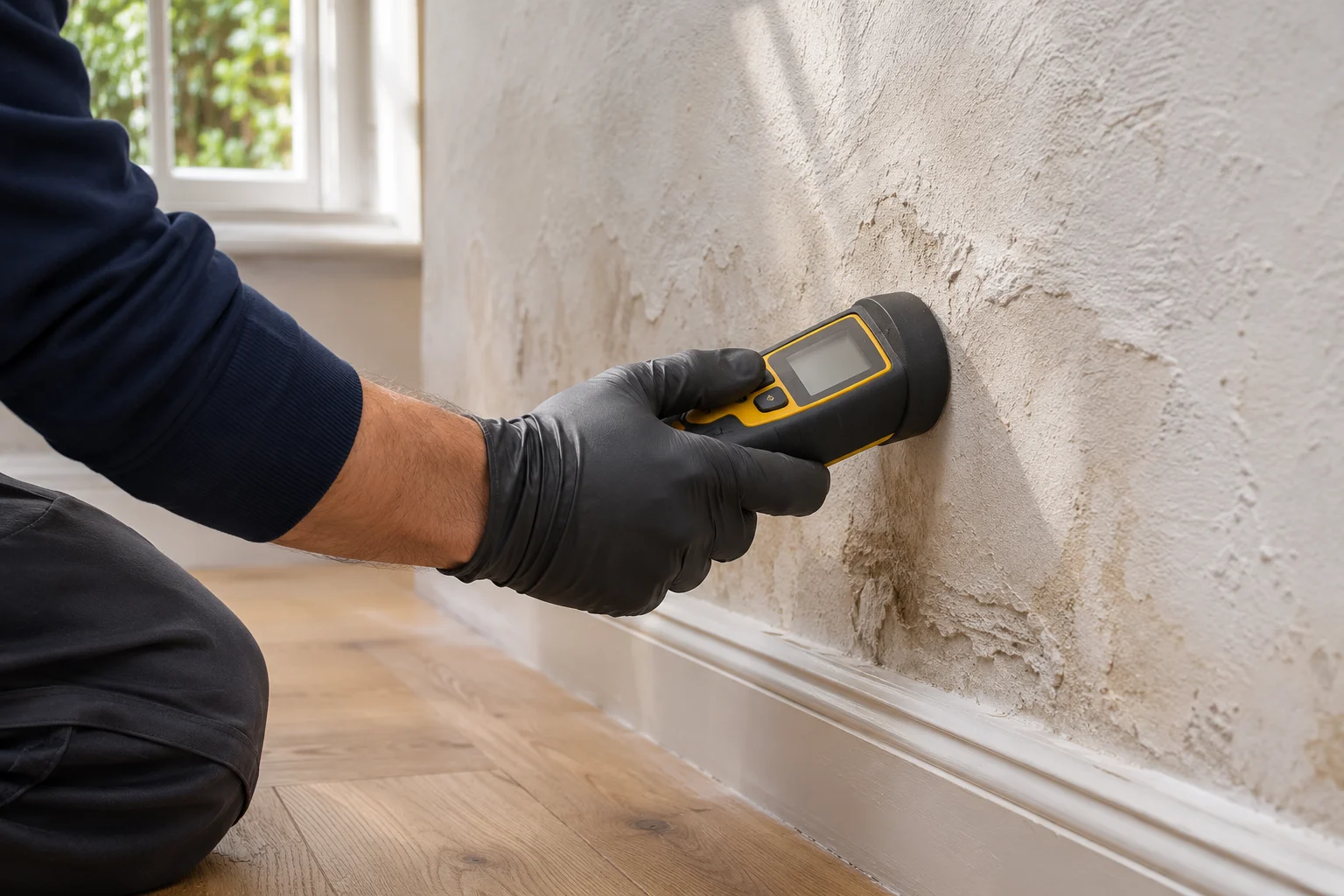
A Few Helpful First Steps.
A little preparation helps the conversation. Safety always comes first, and you do not need to enter an unsafe area to gather information.
- Do not enter flooded spaces near electrical equipment.
- Do not rush to pump deep floodwater without professional guidance.
- Describe sump, drain, or plumbing problems when you call.
Keep A Simple Record
Note what you observed, when it happened, and any steps already taken. Keep available photos and receipts. These details help explain the loss and organize the next stage.
Read The GuideFrom First Conversation To Next Chapter.

Tell Us What Happened
Share the source, timing, and affected spaces. If the property is unsafe, keep away and contact the appropriate emergency or utility service first.
- Discuss the conditions and the practical next steps.
- Confirm scope and responsibilities before work moves forward.
- Keep questions and changing needs part of the conversation.
Should I Enter A Flooded Basement?+
Not when electrical, structural, or contamination hazards may be present. Keep away and contact the appropriate emergency or utility service when needed.
Does Removal Fix The Foundation?+
No. Water removal and drying are separate from foundation repair, waterproofing, or drainage work. Those issues may need a specialist.
Can Stored Belongings Be Kept?+
That depends on material, contamination, and condition. Keep an inventory and discuss handling before items are moved or discarded.
Basement Water Removal Questions.
You should know what a service involves before deciding how to move forward. If your situation is different, let’s talk it through.